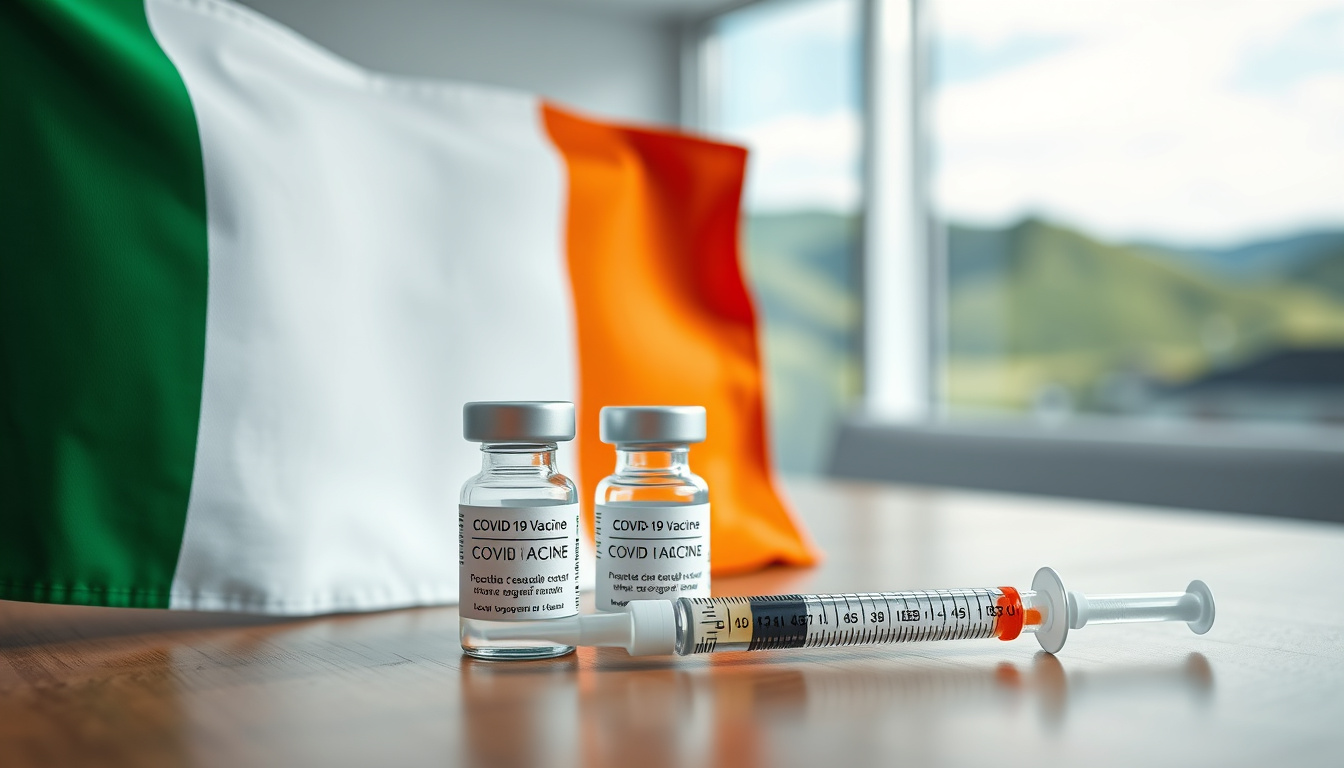

If you’re over 60 and wondering whether another COVID-19 shot makes sense, you’re not alone. Ireland’s booster programme has shifted considerably since the early mass campaigns — eligibility is now more targeted, the dosing schedule has changed, and the window for booking has narrowed. This guide pulls together what NIAC’s latest May 2025 recommendations actually mean for you or an older family member, where to get vaccinated, and which vaccine type might suit your situation best.
Types of COVID-19 vaccines: mRNA, viral vector, protein subunit · Booster eligibility: Over 60s per HSE guidance · Protection offered: Against serious illness · Ireland sites: HSE centres, pharmacies like Boots
Quick snapshot
- mRNA (Pfizer, Moderna) — primary platform used in Ireland (Mayo Clinic)
- Viral vector (AstraZeneca, J&J) — limited use (Mayo Clinic)
- Protein subunit — newer formulations (Mayo Clinic)
- Mayo Clinic
- Aged 80+: twice-yearly (NIAC via HIQA)
- Aged 60-79: yearly (if no vaccine in last 12 months) (NIAC via HIQA)
- Immunocompromised: every 6 months (NIAC via HIQA)
- NIAC via HIQA
- Over-60s: 5 months minimum after last dose (Irish Times)
- Immunocompromised: 6 months between doses (Irish Times)
- Booster 3-month interval applied December 2021 (Irish Times)
- Irish Times
These four data points from official Irish health sources cover the current vaccine landscape at a glance.
| Category | Detail | Source |
|---|---|---|
| Offered protection | From serious illness (HSE.ie) | HSE.ie |
| Available at | HSE sites, pharmacies (Boots.ie) | Boots |
| Age eligibility | 12+ per HSE (Boots.ie) | Boots |
| Booster interval | 6 months (McCabespharmacy.com) | McCabes Pharmacy |
| Current priority group | Aged 80+, LTC residents 18+, immunocompromised 6m+ | HSE.ie |
| NIAC May 2025 update | Twice-yearly for 80+, yearly for 60-79 | NIAC via HIQA |
What are different types of COVID vaccines?
Three main vaccine platforms have been used in Ireland’s COVID-19 programme, each with a different mechanism for training the immune system to recognise the virus.
How mRNA vaccines work
Messenger RNA vaccines deliver genetic instructions that tell cells in your body to produce a harmless piece of the coronavirus spike protein. The immune system then learns to recognise it. According to Mayo Clinic, this technology was used in the Pfizer-BioNTech and Moderna shots that became the dominant platforms in Ireland’s booster campaigns. Minister Stephen Donnelly announced mRNA boosters for residents aged 65+ in long-term care and people aged 80+ in the community on 8 September 2021 (Wikipedia).
Viral vector vaccines
Viral vector vaccines use a modified version of a different virus to carry genetic material into cells. AstraZeneca and Johnson & Johnson’s Janssen vaccine used this approach. Both saw limited use in Ireland’s primary vaccination series but have played a minimal role in booster programmes.
Protein subunit vaccines
Protein subunit vaccines contain purified pieces of the virus — typically the spike protein — without any genetic material. These formulations have entered the market more recently as updated options, though uptake in Ireland has remained limited compared to mRNA products.
What are the side effects of the newest COVID vaccine?
Understanding what to expect after a COVID-19 vaccination helps you plan — and reduces unnecessary concern about normal immune responses.
Common side effects
Most people experience mild, temporary reactions that resolve within 1-3 days. The Netherlands Institute for Health Research (RIVM) documents that fatigue, arm soreness at the injection site, headache, and mild muscle aches are the most frequently reported symptoms across all vaccine types. These indicate your immune system is responding, not that anything is wrong.
Rare risks
Serious adverse events are uncommon. Regulatory agencies including Ireland’s Health Products Regulatory Authority (HPRA) monitor reported side effects continuously. HSE Library notes that older adults may have slightly different risk profiles than younger populations, partly because age itself changes immune response dynamics.
Monitoring post-vaccination
If you experience chest pain, shortness of breath, or swelling in the days after vaccination, seek medical attention promptly. For routine symptoms, rest and hydration are typically sufficient. Pharmacies administering vaccines can provide aftercare guidance — worth asking at Boots or any HSE-affiliated site.
Is it still good to get a COVID vaccine?
The short answer is yes — particularly for older adults and those with underlying health conditions. The longer answer involves understanding how protection wanes and what the current evidence shows.
Benefits for protection
A COVID-19 vaccine will offer you protection from serious illness (HSE.ie). While vaccine effectiveness against infection has declined over time as variants have evolved, protection against hospitalisation and death remains meaningful — especially for people over 65 whose immune response to infection alone is less robust.
Current recommendations
Staying up to date with COVID-19 vaccines means different things depending on your age and health status. CDC guidance aligns with Irish recommendations in emphasising that older adults benefit most from keeping up with booster schedules. NIAC’s May 2025 update recommends twice-yearly vaccination for those aged 80 and above, and yearly for adults aged 60-79 (NIAC via HIQA).
Booster timing
Booster vaccines for over-60s can be given five months after the last dose (Irish Times). This interval was clinically validated to balance immune response strength with the waning of protection from previous doses. The HSE spring 2025 booster campaign commenced on 3 April 2025 for those aged 80+, adults aged 70-79 without recent vaccination, long-term care residents aged 18+, and immunocompromised people aged 6 months and above (NIO News).
What COVID vaccines were given in Ireland?
Ireland’s vaccination programme has evolved through distinct phases, with different products dominating at different points in time.
Pfizer and Moderna use
By September 2021, 90% of Irish adults were fully vaccinated — the highest rate in the EU at that point. Pfizer and Moderna mRNA products drove the primary series for most adults. The Irish Times reported that HSE contacted people in their 60s by text message for their third dose booster, signalling a shift toward mRNA-focused campaigns (Irish Times).
Booster doses
NIAC approved boosters for people aged 60 and over on 19 October 2021, expanding eligibility in subsequent months. On 6 April 2022, NIAC recommended a fourth COVID-19 vaccine dose for everyone aged 65 and older (Wikipedia). By April 2022, HSE allowed online booking for the second booster for those aged 65 and above.
5th booster details
The spring 2025 campaign marks a fifth dose for some groups — specifically those aged 80+ and immunocompromised individuals who are now eligible for twice-yearly vaccination. NIAC’s May 2025 recommendations formalised this twice-yearly schedule for those in the oldest age brackets (NIAC via HIQA).
Which current COVID-19 vaccine is best?
There’s no single “best” vaccine for everyone — the answer depends on your age, health status, and what your GP or pharmacist has in stock.
Pfizer vs Moderna for seniors
Both mRNA vaccines have shown strong real-world effectiveness in older populations. Research published in peer-reviewed journals has shown comparable protection against hospitalisation for adults over 65. Some evidence suggests Moderna may produce a slightly broader immune response in very elderly patients, though the clinical significance of this difference is debated. Poppintree Pharmacy notes that supply and local availability often determine which option you receive — don’t assume you can choose at the door.
Factors to consider
Storage requirements differ: Pfizer’s doses require ultra-cold storage initially, while Moderna is more stable at standard refrigerator temperatures. This affects how quickly a site can administer doses once thawed. For patients with specific medical considerations, your GP is the best person to advise which product suits your situation.
The data below compares the three main vaccine platforms used in Ireland on key operational and clinical parameters.
| Vaccine Type | Examples | Mechanism | Storage | Ireland use |
|---|---|---|---|---|
| mRNA | Pfizer-BioNTech, Moderna | Genetic instructions for spike protein | Ultra-cold (Pfizer) / Refrigerator (Moderna) | Primary platform for boosters |
| Viral vector | AstraZeneca, J&J | Modified virus delivers genetic material | Standard refrigerator | Limited primary series use |
| Protein subunit | Novavax-type formulations | Purified spike protein pieces | Standard refrigerator | Limited uptake |
These dosage parameters reflect the current guidance for Ireland’s over-60s booster programme across all eligible groups.
| Parameter | Current guidance | Source |
|---|---|---|
| Booster eligibility (80+) | Twice yearly | NIAC via HIQA |
| Booster eligibility (60-79) | Yearly if no vaccine in last 12 months | HSE.ie |
| Minimum interval (over-60s) | 5 months after last dose | Irish Times |
| Immunocompromised interval | 6 months between doses | HSE.ie |
| Access points | HSE centres, Boots, McCabes pharmacy | HSE.ie |
| Cost | Free | Poppintree Pharmacy |
Upsides
- Strong protection against serious illness and hospitalisation in older adults
- Twice-yearly schedule for 80+ prioritises the most vulnerable
- Vaccines are free and available at HSE sites and pharmacies nationwide
- Well-established mRNA platform with extensive real-world safety data
Downsides
- Eligibility has narrowed — not everyone over 60 qualifies for every round
- Some sites require appointments; walk-in options are limited
- Protection against infection (not just illness) is now weaker against current variants
- Confusing to track which dose you’re due for if you’ve had mixed vaccination history
How to get your COVID-19 booster in Ireland
Practical steps to find a vaccination slot, whether you prefer a HSE centre or a local pharmacy.
- Check your eligibility on HSE.ie. Use the official HSE vaccine page to confirm whether you’re in the current priority group. The spring 2025 campaign covers those aged 80+, adults 70-79 without recent vaccination, long-term care residents, and immunocompromised people.
- Book online or call your GP. Those aged 80+ not in residential care receive GP invitations for boosters. HSE refers people aged 60+ to vaccination centres via GP for boosters (Irish Times). Your GP surgery can confirm your eligibility and direct you to a slot.
- Visit a participating pharmacy. Boots and McCabes Pharmacy are among the chains offering COVID-19 vaccinations. Check their websites or call ahead to confirm availability and book in advance — vaccines are free but require an appointment.
- Confirm your interval. Ensure at least 5 months have passed since your last dose (or 6 months if you’re immunocompromised) before booking. This applies even if you’re in an eligible age group.
- Bring identification and your vaccination record. Staff will want to verify your identity and check your vaccination history to confirm you’re eligible for the specific dose you’re requesting.
For people aged 60-79, the current system rewards those who track their eligibility carefully. If you’ve had a vaccine in the last 12 months, you’re not eligible yet — but the next annual dose will come. Keep your GP informed of any changes to your health status, as immunocompromised patients qualify for more frequent dosing.
A COVID-19 vaccine is recommended twice each year for: all those aged 80 years and above.
— NIAC (Ireland’s National Immunisation Advisory Committee)
The HSE spring 2025 COVID-19 booster vaccine Campaign will start on April 3rd.
Booster vaccines for over-60s can be given five months after last dose.
— Irish Times (citing official guidance)
For older Irish adults, the vaccination decision has become more nuanced. The era of universal booster invitations for everyone over 60 is over — the programme has shifted to a more targeted model that prioritises those aged 80 and above for twice-yearly shots, while the 60-79 cohort gets a yearly reminder. This tiered approach reflects both the stronger immune response in younger older adults and the resource constraints of maintaining a mass campaign indefinitely. The implication is clear: if you’re in the eligible brackets, act when the invitation comes rather than waiting for a second reminder. For those outside the priority groups, the guidance remains that annual updates will continue — but the window for spring and autumn clinics is now more clearly defined.
Confirmed facts
- Vaccines protect from serious illness — HSE.ie and CDC confirm this
- mRNA is the primary vaccine type used in Ireland’s booster campaigns
- NIAC approved boosters for 60+ on 19 October 2021
- NIAC recommended fourth dose for 65+ on 6 April 2022
- Spring 2025 campaign started 3 April 2025 for priority groups
What’s unclear
- Exact “best” vaccine brand for seniors varies by individual health factors
- Specific uptake rates for recent booster campaigns not publicly reported in detail
Related reading: pharmacy open near me · Strep A symptoms in adults
Over-60s can book boosters through HSE centres or participating Boots outlets, which also stock COVID tests at Boots pharmacies for pre-vaccination checks.
Frequently asked questions
What are the 4 types of vaccines?
The four main COVID-19 vaccine platforms are mRNA (Pfizer, Moderna), viral vector (AstraZeneca, J&J), protein subunit, and whole virus (inactivated). Ireland’s programme has relied primarily on mRNA vaccines for boosters.
Why are people refusing the COVID vaccine?
Vaccine hesitancy has multiple causes: concerns about side effects, distrust of government health messaging, belief that prior infection provides sufficient immunity, and in some cases, philosophical or religious objections. Ireland’s high primary vaccination rate (90% by September 2021) suggests relatively low hesitancy compared to some other countries.
Which is better for seniors, Pfizer or Moderna?
Both are effective for adults over 65. Some research suggests a marginally broader immune response from Moderna in very elderly patients, but the clinical difference is small. Availability often determines what you receive — discuss any specific concerns with your GP.
Is COVID vaccine free in Ireland?
Yes. COVID-19 vaccines remain free through the HSE vaccination programme. Pharmacies participating in the scheme administer doses at no cost to the patient.
What chemists are giving COVID vaccine?
Participating pharmacies include Boots and McCabes Pharmacy among others. Not all branches offer COVID vaccines — check with your local pharmacy or book through the HSE website.
HSE booster vaccine for over 60s?
Adults aged 60-79 qualify for yearly vaccination if they have not received a COVID-19 vaccine in the last 12 months. Those aged 80 and above qualify for twice-yearly vaccination. Eligibility is confirmed on the HSE.ie vaccine page.
COVID vaccine names Ireland?
The vaccines used in Ireland include Pfizer-BioNTech (Comirnaty), Moderna (Spikevax), AstraZeneca (Vaxzevria), and Johnson & Johnson’s Janssen. mRNA vaccines dominate current booster availability.
Related stories





Thomas Grant covers Westminster, councils, policy and government affairs across the UK.