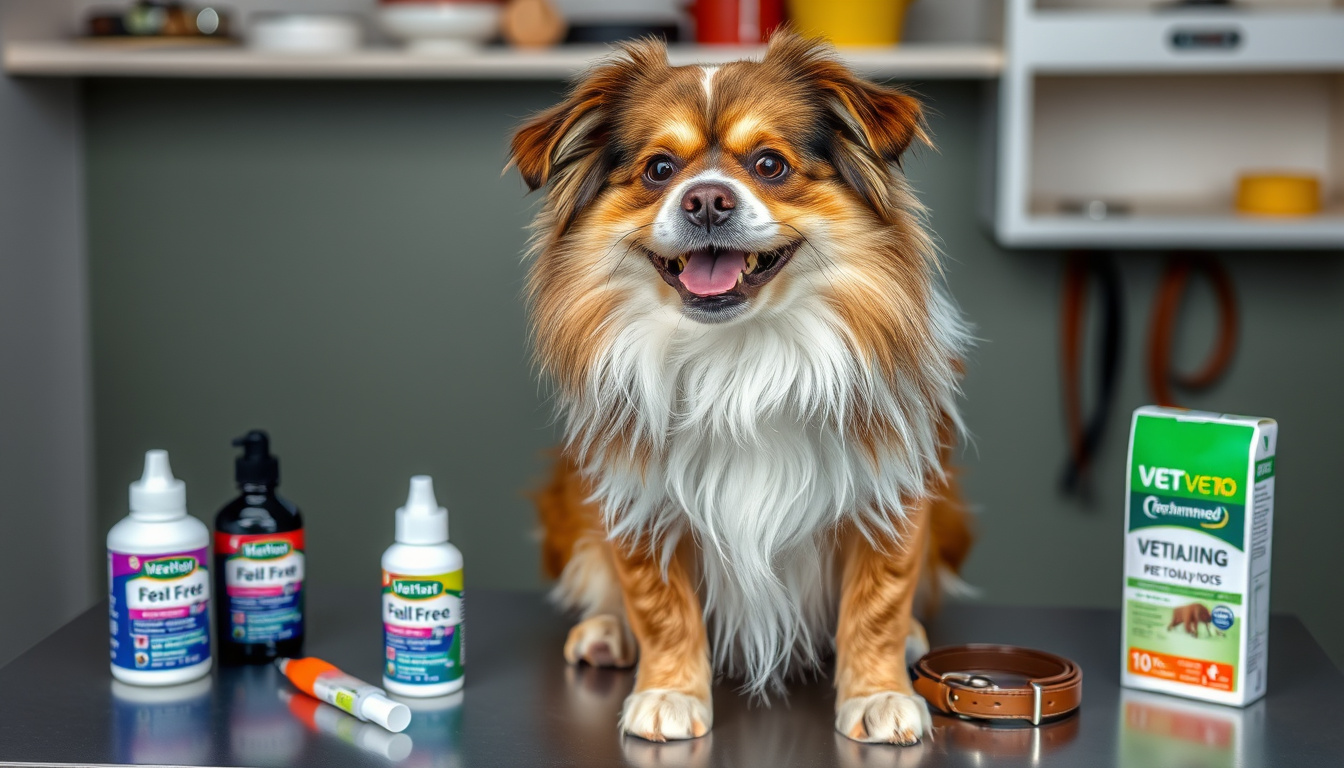

Fleas remain one of the most persistent parasites affecting dogs worldwide, capable of triggering allergic reactions, skin infections, and transmitting serious diseases. Choosing the right flea treatment requires understanding the differences between prescription medications and over-the-counter options, knowing which products suit puppies versus adult dogs, and recognizing the trade-offs between oral, topical, and collar-based delivery methods.
Veterinarians increasingly recommend prescription-strength treatments for their broader parasite coverage and more consistent results. However, over-the-counter alternatives remain popular for budget-conscious pet owners, and natural options appeal to those concerned about chemical exposure. This guide examines the evidence behind current recommendations and helps dog owners navigate the complex landscape of flea control products.
Understanding how these treatments work, their safety profiles, and their limitations enables pet owners to make informed decisions in consultation with their veterinarians. The goal is not simply to kill existing fleas but to prevent infestations from establishing themselves in the first place.
What Are the Best Flea Treatments for Dogs?
Veterinary consensus points to prescription oral treatments as the most effective category for flea elimination and prevention. These medications, classified as isoxazolines, have revolutionized parasite control through their rapid action and comprehensive coverage. Leading products in this category include Simparica Trio, NexGard, Credelio, and Bravecto, each offering distinct advantages depending on the dog’s age, size, and health status.
Prescription flea treatments undergo rigorous FDA evaluation for safety and efficacy. They typically target multiple parasite species simultaneously and offer consistent dosing that over-the-counter products cannot guarantee.
Oral chew • Kills fleas in 8 hours
Covers ticks, heartworm, and intestinal worms
Oral chew • Fast tick elimination
Monthly dosing, liver-flavored
Oral/Topical/Injection • Up to 12 months
First FDA-approved long-acting option
Oral chew • Rapid flea kill
Minimal reported side effects
Key insights from veterinary research and user feedback reveal several patterns worth noting when evaluating flea treatments:
- Oral treatments kill fleas before they can lay eggs, breaking the infestation cycle more effectively than products that only target adult insects
- Prescription medications show significantly higher reliability compared to older over-the-counter products, with veterinarians reporting increasing resistance to Frontline in particular
- Weight-based dosing in prescription products minimizes overdose risks for small dogs and puppies
- Bravecto Quantum represents the first FDA-approved treatment offering 8 to 12 months of protection through a single veterinary injection
- Combination products like Simparica Trio simplify preventive care by addressing multiple parasites simultaneously
- User reviews consistently praise the convenience of liver-flavored chews that dogs accept willingly
- Year-round treatment is recommended in most climates, as indoor heating allows fleas to survive winter months
| Product | Type | Duration | Key Consideration |
|---|---|---|---|
| Simparica Trio | Oral chew (Rx) | 1 month | Broadest parasite coverage; not for pregnant/breeding dogs |
| NexGard | Oral chew (Rx) | 1 month | Fast-acting on ticks; rare neurologic effects reported |
| Bravecto | Multiple options (Rx) | 1-12 months | Longest protection; FDA-monitored for rare seizures |
| Credelio | Oral chew (Rx) | 1 month | Minimal side effects; popular veterinary choice |
| K9 Advantix II | Topical (OTC) | 1 month | Kills on contact; repels mosquitoes and lice |
| Frontline Plus | Topical (OTC) | 1 month | Kills eggs and larvae; some resistance reported |
| Seresto Collar | Collar (OTC) | 8 months | Cost-effective; good for oral/topical intolerance |
| Capstar | Oral tablet (OTC) | 24 hours | Safe for puppies 4 weeks+; rapid adult flea kill |
What Is the Safest Flea Treatment for Dogs?
Safety considerations vary significantly based on the dog’s age, weight, breed, and existing health conditions. Puppies require special attention, as their developing systems process medications differently than adult dogs. Most veterinary-recommended treatments specify minimum age requirements ranging from 4 weeks for Capstar to 6 months for certain formulations.
Age and Weight Considerations
Capstar stands out as the safest option for young puppies, carrying FDA approval for use in dogs as young as 4 weeks and weighing at least 2 pounds. This rapid-acting tablet eliminates 90% of adult fleas within four hours, making it ideal for severe infestations in puppies too young for monthly preventives.
Most prescription oral treatments require puppies to reach at least 8 weeks of age and meet minimum weight thresholds. Simparica Trio specifies 8 weeks and 2.8 pounds, while NexGard requires 8 weeks and 4 pounds. These weight-based requirements ensure accurate dosing that prevents toxicity from over-treatment.
Before starting any flea treatment in puppies old enough for preventives, veterinarians recommend testing for heartworm status. Some combination products contain ingredients that can cause adverse reactions in heartworm-positive dogs.
Small Dogs and Sensitive Breeds
Weight-based dosing makes prescription oral treatments particularly suitable for small dogs, allowing veterinarians to calculate precise amounts that eliminate parasites without overwhelming the dog’s system. This precision reduces the risk of adverse effects that can occur with one-size-fits-all topical applications.
For dogs with sensitive skin, oral treatments offer a significant advantage by avoiding direct contact with the skin and coat. Topical products, while effective, spread through skin oils and can cause irritation, redness, or allergic reactions in dogs prone to skin sensitivities. When topical application is necessary, monitoring the application site for at least 24 hours after treatment helps identify reactions early.
Breeding and Pregnant Dogs
Safety data for flea treatments in breeding dogs and pregnant females remains limited, as pharmaceutical companies typically exclude these populations from clinical trials. Most product labels specifically contraindicate use in pregnant or nursing dogs, making veterinary consultation essential before administering any flea treatment to these animals. Pet owners seeking guidance can explore resources for managing pet care costs while prioritizing their dog’s health needs.
Some veterinarians recommend topical products over oral medications for pregnant dogs, arguing that the localized action presents lower systemic risk. However, individual circumstances vary considerably, and what works for one dog may not suit another in similar conditions.
How Do Flea Treatments Work and How Long Do They Last?
Flea treatments employ different mechanisms depending on their formulation. Oral medications contain active ingredients that enter the bloodstream; when fleas bite treated dogs, they ingest the compound and die. This approach ensures the entire dog receives protection, regardless of where fleas attempt to feed. Topical treatments work differently, spreading across the skin surface through natural oils and killing parasites on contact before they can bite.
Speed of Action
Different products demonstrate varying speeds of flea elimination. Capstar kills over 90% of adult fleas within just four hours of administration, making it the fastest option available. Prescription oral treatments like Simparica Trio achieve 100% flea mortality within eight hours. Over-the-counter topicals generally require longer periods, with some products taking up to 24 to 48 hours to reach maximum effectiveness.
Tick elimination typically takes longer than flea control across most products. NexGard demonstrated effectiveness against multiple tick species within 24 to 48 hours, though complete elimination of attached ticks may require additional time depending on the product and tick burden.
No flea treatment provides instant immunity. Dogs can acquire new infestations immediately after treatment, particularly in environments with heavy flea populations. Consistent monthly application maintains protection rather than providing permanent elimination.
Duration of Protection
Standard monthly treatments maintain therapeutic levels of active ingredients throughout their dosing interval. Missing a dose or administering treatment late can create gaps in protection that allow fleas to establish new infestations. Calendar reminders and automatic subscription services help pet owners maintain consistent coverage.
Bravecto Quantum represents a significant advancement in duration, offering 8 to 12 months of protection from a single veterinary-administered injection. The FDA approved this treatment in 2024 as the first long-acting option for flea and tick control. This approach appeals to owners who struggle with monthly application compliance.
Environmental Considerations
Treatment duration also depends heavily on environmental factors. Indoor dogs in climate-controlled homes face year-round flea exposure, as heating systems allow flea eggs to develop regardless of season. Outdoor dogs in temperate climates may experience seasonal variation, with flea activity peaking during warm months.
Veterinarians increasingly recommend year-round treatment in most geographic regions, citing the difficulty of eliminating fleas from indoor environments and the risk of re-infestation from brief warm periods during otherwise cold seasons. The American Veterinary Medical Association advises that consistent prevention proves more effective than reactive treatment after infestations establish.
Are Flea Collars and Natural Options Effective?
Flea collars occupy a distinct position in the parasite control landscape, offering extended protection with minimal maintenance. The Seresto collar, for example, provides eight months of continuous flea and tick control through sustained release of active ingredients. This duration significantly exceeds monthly treatments, potentially improving compliance for owners who struggle with frequent dosing schedules.
Efficacy of Modern Collars
Veterinary assessments indicate that modern flea collars outperform older models that relied on different active ingredients and release mechanisms. The Seresto collar has demonstrated effectiveness in clinical studies and receives recommendation from veterinarians for dogs that cannot tolerate oral or topical medications. However, collars require proper positioning to maintain effectiveness, and dogs that swim frequently may experience reduced duration.
Older flea collar designs, particularly those using older chemical formulations, show significantly lower efficacy rates. Consumer testing reveals substantial performance differences between modern and legacy products, with newer options performing comparably to some prescription treatments in controlled environments.
Natural and Over-the-Counter Alternatives
Natural flea treatments typically employ plant-derived ingredients such as cedar oil, lemon eucalyptus, or diatomaceous earth. Products like Vet’s Best flea spray and Adams flea shampoo fall into this category, offering reduced chemical exposure at the cost of reduced efficacy. These options work best as supplementary measures rather than primary prevention strategies.
The fundamental limitation of natural treatments involves their inability to eliminate flea eggs and larvae effectively. While adult fleas may die on contact with botanical extracts, developing parasites in carpets, bedding, and crevices continue the infestation cycle. Veterinary sources note that natural alternatives require more frequent application and environmental treatment to maintain even moderate protection.
Combining approaches often yields better results than relying on any single method. Natural sprays can supplement prescription preventives during high-exposure periods, and environmental treatments address the egg and larval stages that topical products cannot reach.
Flea Treatment Timeline: From Infestation to Prevention
Understanding the flea life cycle helps owners appreciate why consistent treatment matters more than emergency intervention. The complete cycle from egg to adult spans approximately two to three weeks under ideal conditions, though development can extend considerably in unfavorable environments.
- Egg stage (1-10 days): Adult fleas lay eggs within 24 to 48 hours of first feeding. A single female can produce 40 to 50 eggs daily, rapidly contaminating the home environment
- larval stage (5-20 days): Eggs hatch into maggot-like larvae that avoid light and migrate deep into carpet fibers, furniture crevices, and outdoor soil
- Pupal stage (7-14 days): Larvae spin protective cocoons and enter the pupal stage, becoming highly resistant to environmental stresses and most treatments
- Adult emergence (variable): Adult fleas remain dormant in cocoons until vibration, warmth, or carbon dioxide signals a host’s presence
- First feeding (immediate): Newly emerged fleas locate hosts and begin feeding within minutes, potentially transmitting diseases and triggering allergic reactions
- Reproduction (24-48 hours): Adult fleas begin producing eggs within one to two days of their first blood meal, restarting the cycle
- Environmental contamination: Treatment of the dog alone cannot eliminate fleas, as immature stages comprise the majority of any infestation
What Is Established Versus Unclear in Flea Treatment Science?
| Established Information | Areas of Uncertainty |
|---|---|
| Prescription isoxolines provide superior flea elimination compared to older OTC products | Long-term effects of repeated isoxazoline use remain incompletely studied |
| Oral treatments kill fleas before egg production, breaking infestation cycles | Optimal treatment protocols for senior dogs with multiple health conditions |
| Topical products can cause skin irritation in sensitive dogs | Comparative effectiveness data across different geographic regions and flea populations |
| Bravecto Quantum provides 8-12 months protection per injection | Environmental impact of different treatment classes over extended use periods |
| Natural alternatives provide limited control compared to prescription options | Specific breed sensitivities to various active ingredients require more documentation |
| Weight-based dosing improves safety for small dogs and puppies | Whether combination heartworm/flea products provide equivalent flea control to single-purpose medications |
Understanding Treatment Types: Oral, Topical, and Collar Options
The choice between oral, topical, and collar-based treatments involves trade-offs that extend beyond simple efficacy comparisons. Each delivery method presents distinct advantages and disadvantages that may make certain options more suitable for particular dogs and household situations.
Oral treatments offer precise dosing, rapid absorption, and elimination of application-site concerns. Dogs receive the complete dose regardless of bathing or swimming frequency, and there’s no risk of the product washing off during outdoor activities. However, oral medications require the dog to actually consume the treatment, and some dogs resist taking pills or chews regardless of flavoring.
Topical treatments spread across the skin surface without requiring ingestion, making them suitable for finicky eaters. These products remain effective even if dogs occasionally refuse food, and some owners find them easier to apply than convincing dogs to accept oral medications. The waterproof nature of modern topicals helps maintain protection through bathing, though excessive washing or swimming may reduce effectiveness.
Collar-based treatments provide the longest duration of any non-prescription option, reducing the frequency of active intervention. This characteristic makes collars particularly suitable for multi-pet households, travel situations, or owners with busy schedules. The main drawbacks involve potential skin reactions at the contact site and reduced effectiveness in dogs that frequently swim.
Expert Perspectives on Flea Treatment Selection
Veterinary consensus emphasizes that no single flea treatment suits every dog, and personalized recommendations based on individual circumstances produce the best outcomes. Factors including the dog’s age, weight, health history, lifestyle, and household environment all influence treatment selection.
“The best flea treatment is the one you’ll actually use consistently. We see many treatment failures that result from inconsistent application rather than product ineffectiveness.”
This perspective from veterinary practitioners highlights the importance of compliance in parasite control. Even highly effective treatments fail when owners forget doses, apply products incorrectly, or discontinue protection prematurely. Product reviews and veterinary assessments consistently rank convenience and compliance among the most important factors in treatment success.
The American Veterinary Medical Association provides detailed guidance on safe use of flea and tick preventive products, emphasizing the importance of veterinary consultation before starting any new treatment regimen. Their resources address common concerns about side effects, drug interactions, and appropriate dosing for special populations.
Summary: Choosing the Right Flea Treatment for Your Dog
Selecting the best flea treatment requires balancing effectiveness, safety, convenience, and cost according to your dog’s specific needs. Prescription oral treatments like Simparica Trio, NexGard, and Bravecto offer the most reliable protection and receive consistent endorsement from veterinary professionals. These products kill fleas rapidly, prevent egg production, and provide coverage against additional parasites in combination formulations.
For puppies, small dogs, and those with sensitive skin, oral treatments minimize risks associated with topical applications while providing accurate weight-based dosing. Capstar serves as a valuable tool for young puppies before they reach the age for monthly preventives. Over-the-counter options like K9 Advantix II and Seresto collars remain viable alternatives for budget-conscious owners or dogs that cannot tolerate prescription products.
Regardless of which treatment you choose, consistency matters more than perfection. Year-round protection in most climates, environmental treatment alongside pet medication, and regular veterinary consultations ensure your dog receives the best possible defense against fleas and the diseases they transmit.
For additional guidance on managing household expenses including pet care costs, consider reviewing our B&M Bargains stores and deals resource for potential savings on over-the-counter pet supplies.
Frequently Asked Questions
How often should I treat my dog for fleas?
Most veterinarians recommend monthly flea treatment year-round in temperate climates. Some products like Bravecto Quantum offer extended protection lasting up to 12 months per dose.
What kills fleas on dogs the fastest?
Capstar kills over 90% of adult fleas within four hours. Prescription oral treatments like Simparica Trio achieve complete flea elimination within eight hours.
Are flea collars safe and effective for dogs?
Modern collars like Seresto provide effective flea and tick control for up to eight months. They represent a safe alternative for dogs that cannot tolerate oral or topical medications, though skin reactions at the contact site can occur.
Can I use cat flea treatment on my dog?
No. Cat flea treatments often contain permethrin, which is toxic to dogs. Always use products specifically labeled for your dog’s species and weight range.
What is the best flea treatment for puppies?
Capstar is approved for puppies as young as 4 weeks and 2 pounds. Most monthly preventives require puppies to reach at least 8 weeks of age and meet minimum weight requirements.
Do I need a prescription for flea treatment?
Many effective treatments, including Simparica Trio, NexGard, and Bravecto, require veterinary prescriptions. Over-the-counter options like K9 Advantix II, Frontline Plus, and Capstar are available without prescriptions.
How long do flea treatments take to work?
Most treatments begin killing fleas within hours, but complete elimination takes longer. Environmental fleas that hatch after treatment may persist for several weeks until the product’s residual effects fully address the infestation.
What are the side effects of flea medications?
Common side effects include mild digestive upset with oral treatments and skin irritation at application sites with topicals. Rare neurologic effects, including seizures, have been reported with isoxazoline products and are monitored by the FDA.
Related stories





Thomas Grant covers Westminster, councils, policy and government affairs across the UK.