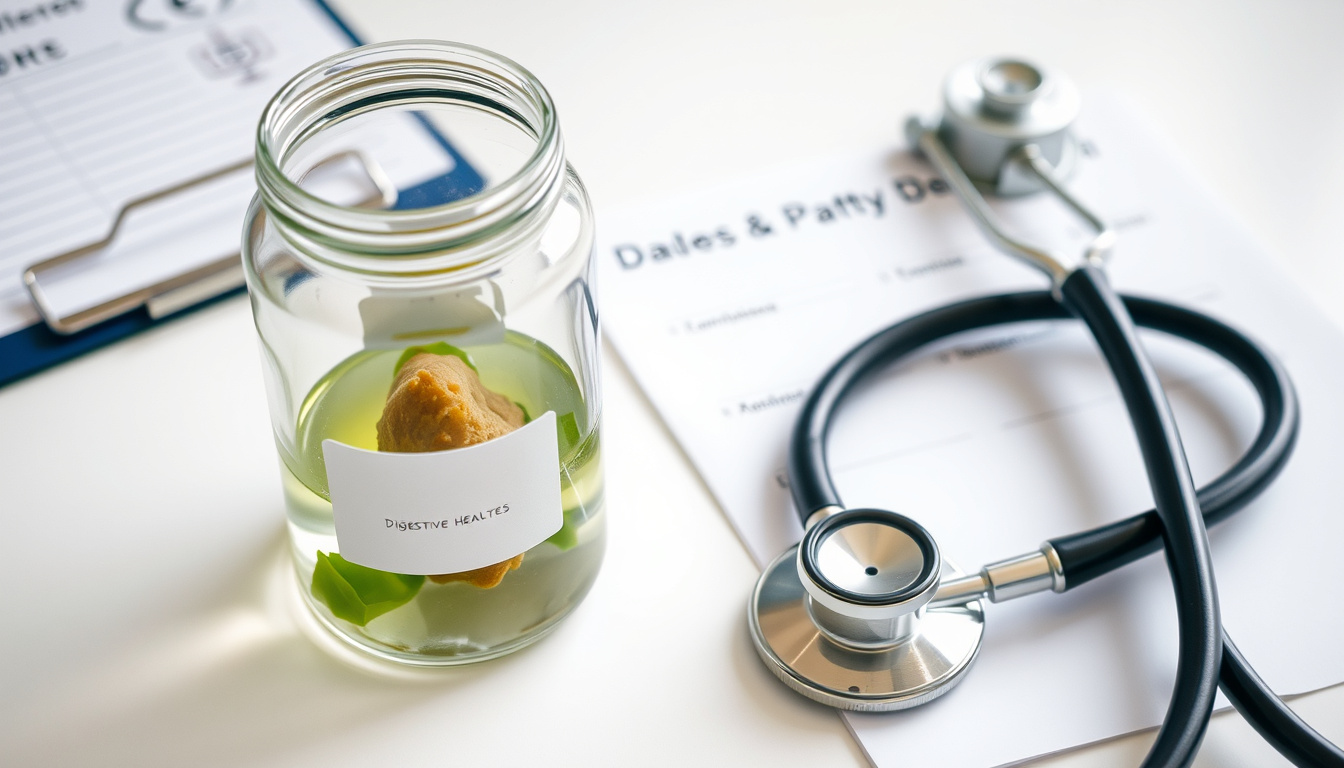
You glance down and notice your stool is green. Your first thought might be panic, but in most cases, green poop is totally harmless. According to Mayo Clinic (leading US academic medical center), the green color often comes from bile passing through the large intestine too quickly. We’ll walk through the common causes—from your dinner plate to a stomach bug—and the rare situations when you should call a doctor.
Common cause of green poop: Rapid transit of food through the colon (diarrhea) ·
Typical color of healthy stool: Brown (from bile breakdown) ·
Common dietary cause: Leafy green vegetables like spinach and kale ·
Green poop in infants: Normal, especially in breastfed babies
Quick snapshot
- Green stool from rapid bile transit is a well-established medical fact (Mayo Clinic)
- Dietary causes (green vegetables, dye) are confirmed by multiple sources (Cleveland Clinic)
- Green stool in infants is normal and common (Beacon Health System)
- Direct link between anxiety and green stool color is not firmly established; anxiety more commonly affects gut motility (FastMed)
- Long-term health implications of isolated green stool are not studied separately from its cause (Harvard Health Publishing)
- Eating green vegetables (spinach, kale, broccoli) (Cleveland Clinic)
- Green food coloring (Northwestern Medicine)
- Diarrhea from any cause (Mayo Clinic)
- Iron supplements (Harvard Health Publishing)
- Stool that stays green for over a week without obvious cause (Beacon Health System)
- Signs of dehydration (Beacon Health System)
- Weight loss or fatigue (FastMed)
- Other stool color changes (black, red, pale) (Mayo Clinic)
Four facts that frame the green poop picture, from what’s known for sure to the gaps researchers still need to fill.
| Label | Value |
|---|---|
| Primary cause | Bile passing through the gut too quickly (Mayo Clinic) |
| Green vegetables effect | Chlorophyll from leafy greens can turn stool green (Cleveland Clinic) |
| Normal for babies | Yes, breastfed and formula-fed infants often have green stool (Beacon Health System) |
| Medical emergency? | Rarely; only if accompanied by severe symptoms (Mayo Clinic) |
| Food dyes effect | Blue and green food coloring, matcha, and blue foods can temporarily turn stool green (Northwestern Medicine) |
| Medications that cause green stool | Iron supplements, bismuth subsalicylate, antacids with aluminum hydroxide, some antibiotics (Harvard Health Publishing) |
What does it mean when your stool is green?
Bile and digestion speed
- Bile is a greenish-yellow fluid that the liver produces to digest fats. When it moves through the large intestine too quickly—during diarrhea—the bile doesn’t have time to turn brown. That leftover green color shows up in the toilet (Mayo Clinic (leading US academic medical center)).
- Conditions like irritable bowel syndrome, celiac disease, and Crohn’s disease can speed up gut transit and produce green stool (FastMed urgent care network).
The pattern: The faster food moves, the greener the stool. Slower transit gives bile time to be chemically reduced by gut bacteria, creating the familiar brown.
Dietary causes of green stool
- Leafy greens like spinach, kale, and broccoli are packed with chlorophyll. Cleveland Clinic (top-ranked hospital for gastroenterology) notes that this is the most likely explanation for green poop in people who ate greens recently.
- Blue and green food colorings, matcha powder, and even blue sports drinks can temporarily dye your stool (Northwestern Medicine (academic medical center in Chicago)).
The trade-off: If you ate something green or brightly colored yesterday, your stool color is likely just a reflection of your meal—nothing to worry about.
Rapid bile transit is the most common cause, and it’s almost always tied to diarrhea. The benign dietary triggers—greens, dyes, supplements—are so common that green stool is rarely a sign of something serious.
The pattern: Green stool from rapid transit or diet is almost always benign, but persistent cases warrant a closer look at underlying causes.
Does green poop mean liver problems?
Liver disease and stool color
- Green poop is rarely a sign of liver problems. Instead, Mayo Clinic says pale, clay-colored, or white stool suggests a blocked bile duct—a key liver warning sign.
- Liver issues typically come with other symptoms: jaundice (yellow skin/eyes), dark urine, fatigue, and right-side abdominal pain (Harvard Health Publishing (consumer health arm of Harvard Medical School)).
The implication: Green stool alone is not a liver indicator. If you’re worried about your liver, look for those other signs—not the color in the toilet bowl.
When to consider liver function
- A gallbladder removal can temporarily cause greenish diarrhea because bile flows directly into the intestine without a storage organ (Cleveland Clinic).
- That’s a normal post-surgery effect, not a liver problem.
The implication: Green stool alone is not a liver indicator. If you’re worried about your liver, look for pale stool, jaundice, and other symptoms—not the color in the toilet bowl.
When should I worry about green poop?
Signs that require medical attention
- Persistent green stool lasting more than a few days without an obvious cause (diet, supplements, diarrhea) deserves a doctor’s visit (Beacon Health System (Indiana-based healthcare network)).
- Dehydration from diarrhea is a real risk: dry mouth, extreme thirst, little or no urination, and dizziness are red flags (Beacon Health System).
Green poop and other symptoms
- Abdominal pain, fever, vomiting, or blood in the stool raise the stakes. Cleveland Clinic warns that green stool combined with these can indicate a bacterial infection like Salmonella or E. coli, a viral infection (norovirus), or a parasite (Giardia).
- Blood in the stool that is dark black, maroon, or red is the real cancer warning—green alone is not a cancer signal.
If green poop hangs around for a week, brings significant pain, or you show signs of dehydration, your primary care doctor is the right first call—not the ER.
What this means: Green stool rarely needs emergency care, but persistent cases with dehydration or other symptoms do require medical attention.
Is green poop normal?
Green stool in adults
- Yes, intermittent green stool in someone who otherwise feels fine is normal. Harvard Health Publishing confirms it’s usually related to eating dark green vegetables.
- Laxatives, food poisoning, and malabsorption disorders can also cause a green phase.
Green poop in babies
- Very normal. Beacon Health System lists several common causes: not finishing one breast (foremilk/hindmilk imbalance), protein hydrolysate formula, or lack of typical intestinal bacteria in breastfed infants.
- Medical News Today (health information publisher) adds that green baby poop is not a concern if the baby is gaining weight and seems content.
Green poop during pregnancy
- Prenatal vitamins often contain iron, which can darken or green stool. Hormonal changes can also speed digestion. Harvard Health Publishing notes iron supplements as a cause.
- If the green stool is accompanied by severe nausea or vomiting, check with an obstetrician.
The takeaway: In most cases, green stool is a normal variation, especially when linked to diet or developmental stages in infants.
Can green poop be a sign of cancer or a virus?
Green poop and gastrointestinal infections
- Yes, viruses like norovirus can cause rapid diarrhea that appears green. Cleveland Clinic lists bacterial infections (Salmonella, E. coli) and parasites (Giardia) as infectious causes.
- These usually come with other symptoms: cramping, fever, and nausea.
Green stool and colorectal cancer risk
- Green stool is not a typical sign of colorectal cancer. Mayo Clinic states that cancerous blood in stool is typically red, maroon, or black—not green.
- Persistent changes in bowel habits, unexplained weight loss, and rectal bleeding are the established warning signs, not green color alone (Harvard Health Publishing).
The pattern: Green stool points to infection far more often than cancer. If you’re worried about colon cancer, watch for blood, narrowing stools, and family history—not the green hue.
Upsides
- Green stool is most often harmless and self-limiting.
- Dietary causes give you an easy fix: reduce greens or dyes and observe.
- It can be a helpful signal that your digestion is moving quickly (which can be normal).
- In babies, it reassures parents that nothing is seriously wrong.
Downsides
- Can cause unnecessary anxiety when people don’t know the common causes.
- May mask an underlying infection if the person ignores other symptoms.
- Dehydration risk if green stool is from prolonged diarrhea.
- Hard to self-diagnose without knowing other warning signs.
The implication: Green stool is a sign of transit speed and diet, not a cancer marker. Focus on red-flag symptoms like blood or weight loss.
Confirmed facts and unclear areas
What’s confirmed
- Green stool from rapid bile transit is a well-established medical fact, repeatedly confirmed by Mayo Clinic and Cleveland Clinic.
- Dietary causes (green vegetables, dye) are confirmed by Northwestern Medicine and Harvard Health Publishing.
- Green stool in infants is normal and common according to Beacon Health System and Medical News Today.
- Infectious causes are recognized: Cleveland Clinic lists bacterial and viral triggers for green diarrhea.
What’s unclear
- Direct link between anxiety and green stool color is not firmly established. Anxiety can affect gut motility, but FastMed notes that the color change itself is not directly studied.
- Long-term health implications of isolated green stool (without other symptoms) have not been studied separately from the underlying cause.
- How often green stool from supplements actually occurs in the general population lacks large-scale data (Harvard Health Publishing).
The pattern: The evidence is clear on common causes of green stool, but gaps remain in understanding rare or indirect links.
“Green stool can happen when food moves through the large intestine too quickly, such as during diarrhea, so bile does not fully break down.”
— Mayo Clinic (leading US academic medical center)
“Blue and green food coloring, matcha, and some blue foods can temporarily turn stool green.”
— Northwestern Medicine (academic medical center in Chicago)
“Green baby poop can be normal and is not necessarily a cause for concern if the baby is gaining weight and seems content.”
“Green stool in babies can result from not finishing breastfeeding on one side, protein hydrolysate formula, or lack of typical intestinal bacteria in breastfed infants.”
— Beacon Health System (Indiana-based healthcare network)
The verdict from gastroenterologists is consistent: green stool is a transit-time and dietary signal, not a disease marker. For anyone noticing green poop, the choice is clear: evaluate your recent diet and symptoms, and if uncertainty persists, consult a healthcare provider—but don’t let the color itself cause unnecessary worry.
Frequently asked questions
Is green poop a sign of infection?
Yes, it can be. Cleveland Clinic notes that bacterial infections (Salmonella, E. coli), viral infections (norovirus), and parasites (Giardia) can cause green diarrhea, especially when accompanied by fever, cramps, or vomiting.
Can green poop be caused by antibiotics?
Yes. Northwestern Medicine lists antibiotics among medications that can contribute to green stool. They can alter gut bacteria and speed up transit.
What does bile-stained stool look like?
Bile-stained stool appears green or yellowish-green. It’s common in rapid diarrhea when bile passes through before it has time to be broken down into brown pigments (Mayo Clinic).
Does green poop mean I have a stomach bug?
It can, especially if you have diarrhea. Cleveland Clinic confirms that viral gastroenteritis (stomach flu) often produces greenish diarrhea.
Should I change my diet if my poop is green?
Not unless you have other symptoms. Harvard Health Publishing says that if you feel fine and ate greens or blue food coloring, no change is needed.
How long does green poop last?
Typically 1–2 days, matching the duration of the cause. For diet-related cases, it resolves once the food passes through. For diarrhea, it lasts as long as the diarrhea does (Beacon Health System).
Is it normal to have green poop during pregnancy?
Yes. Prenatal vitamins with iron, hormonal changes that speed digestion, and dietary shifts can all cause green stool. Harvard Health Publishing lists iron supplements as a cause.
What color is cancerous blood in stool?
Red, maroon, or black. Mayo Clinic explicitly states that green stool is not a typical sign of colorectal cancer. Bright red blood suggests lower GI bleeding; black/tarry suggests upper GI bleeding.
The takeaway: These FAQs address the most common concerns about green stool, helping readers distinguish between normal variations and situations that require medical advice.
Related stories





Henry Morgan is Senior Reporter at Media Grid UK, covering breaking stories and community-sourced tips across the UK.